Summary
Mastering long-distance casting is essential for covering more water and reaching elusive fish in lure fishing. This guide breaks down key techniques, gear setup, and common mistakes to help you maximize your casting distance while maintaining accuracy and control.
Main Content
1. Gear Setup for Maximum Distance
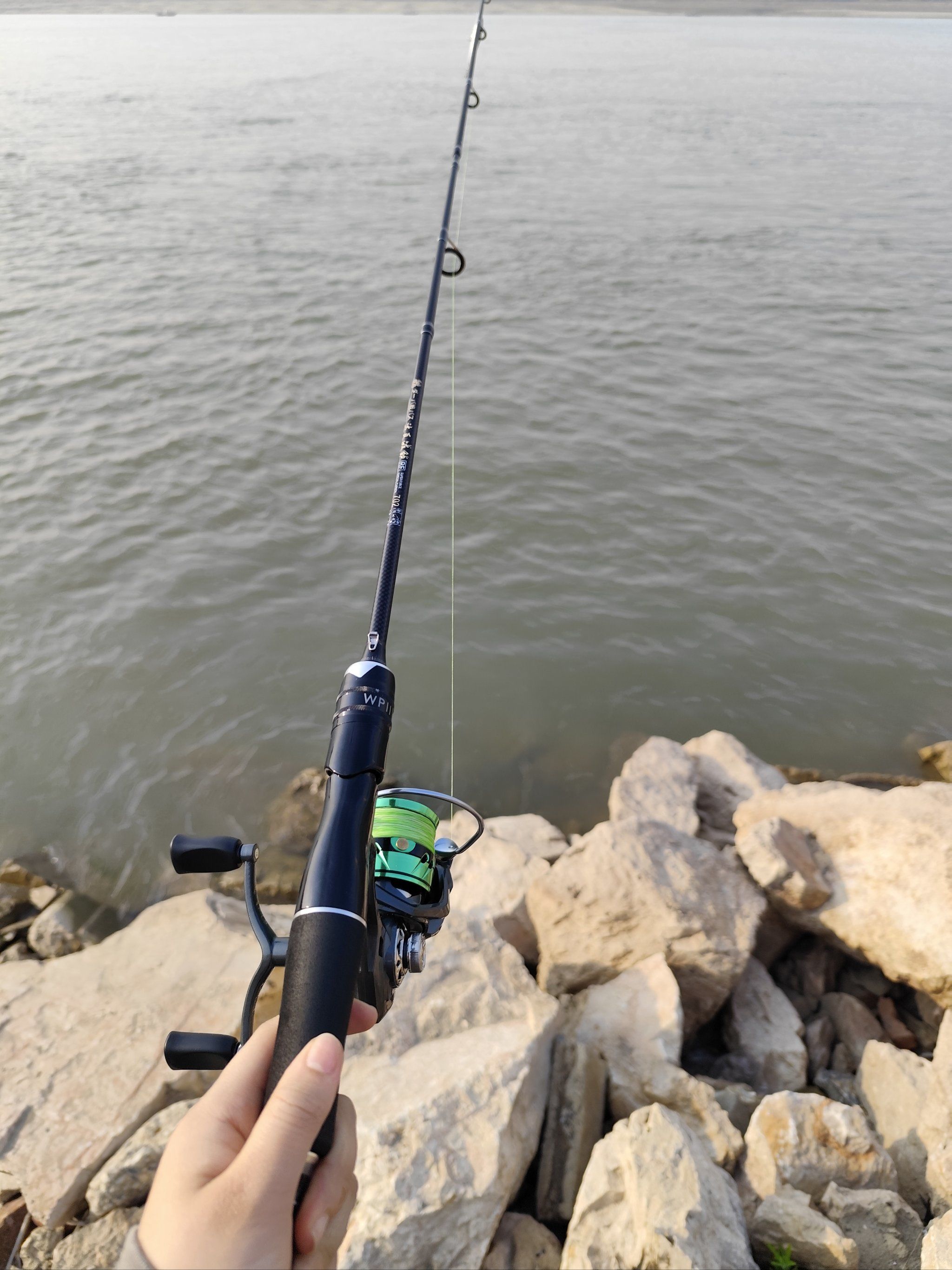
- Rod & Reel Selection: Choose a longer rod (2.4–3.0m) with a fast action to generate higher line speed. Pair it with a high-speed spinning or baitcasting reel that minimizes line friction.
- Line Choice: Use thin, low-diameter braided line (10–20lb test) for minimal water resistance and maximum sensitivity. For clear water, add a short fluorocarbon leader to avoid spooking fish.
- Lure Weight: Match your lure weight to your rod’s recommended range. Heavier lures (10–20g) carry more momentum, while lighter lures require precise technique to avoid tangles.
2. Core Casting Techniques
- Overhead Cast: The most versatile method for long distances. Start with the rod tip low behind you, smoothly accelerate forward, and release the line at a 45° angle to the horizon. Focus on a fluid, whip-like motion rather than brute force.
- Sidearm Cast: Ideal for windy conditions or low obstacles. Keep the rod parallel to the water, and drive the lure horizontally to reduce wind drift. This technique excels at precision while maintaining solid distance.
- Roll Cast: Perfect for tight spaces or when you can’t fully extend your backcast. Use the water’s surface to load the rod, then roll the lure forward in a smooth arc to launch it efficiently.
3. Key Tips to Improve Distance & Accuracy
- Timing is Everything: Release the line at the exact moment the rod tip reaches its peak forward momentum. A split-second delay can drastically reduce distance.
- Smooth Acceleration: Avoid jerking the rod, which causes energy loss and tangles. Build speed gradually from your backswing to your forward cast.
- Body Position: Stand with your feet shoulder-width apart, shifting your weight from your back foot to your front foot during the cast. This transfers full-body power to the rod.
- Practice Wind Control: Cast into the wind with a lower trajectory and heavier lures. With tailwinds, use a higher angle to let the wind carry the lure farther.
4. Common Mistakes to Avoid
- Overpowering the Cast: Throwing too hard often leads to line tangles (like “bird’s nests” in baitcasting reels) and lost distance. Prioritize control over raw strength.
- Poor Line Management: Ensure your line flows freely from the reel. Tangled or knotted line creates friction that kills momentum.
- Ignoring Rod Loading: Let the rod bend (load) during your backcast to store energy. A stiff, unloaded rod will not transfer power effectively to the lure.
By refining your gear setup and mastering these techniques, you’ll consistently achieve longer casts, opening up new fishing spots and increasing your chances of landing trophy fish.