Summary
Choosing the right lure is the foundation of successful lure fishing. This guide breaks down key factors like target species, water conditions, and fishing scenarios to help you pick the perfect bait and maximize your catch rate.
Main Content
1. Match the Lure to Your Target Species
- Bass (Largemouth/Smallmouth):
- Topwater lures (poppers, buzzbaits) work best in shallow, vegetated water to trigger aggressive strikes.
- Crankbaits and jigs are ideal for probing structure like rocks or submerged logs, where bass often hide.
- Trout:
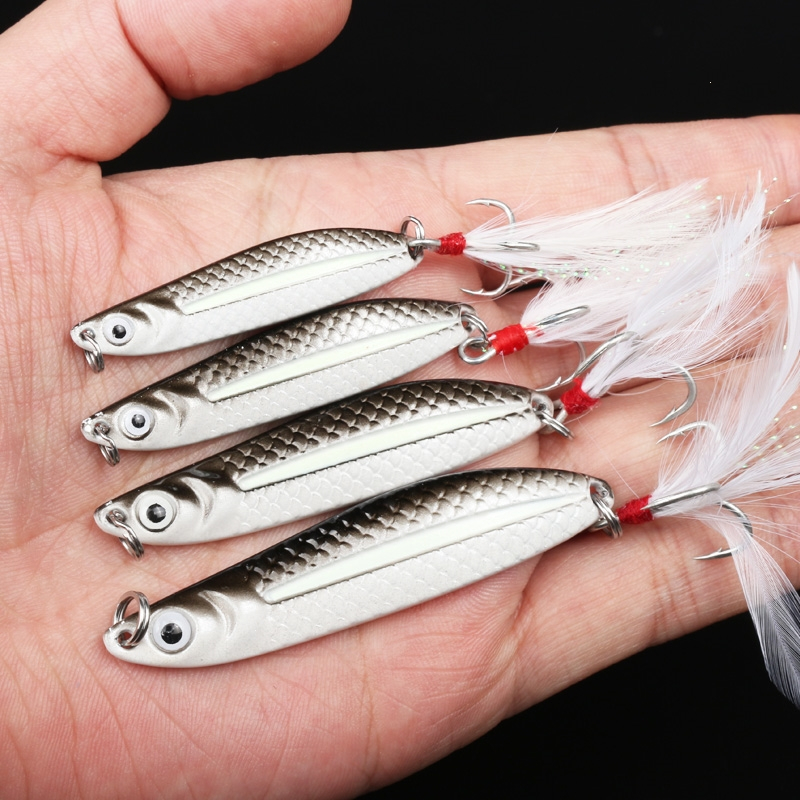
- Small spinners and spoons mimic minnows and insects, perfect for clear streams and rivers.
- Soft plastic minnows imitate baitfish, making them deadly in cold water.
- Saltwater Species (Striped Bass, Redfish):
- Large jigs and swimbaits replicate the size of baitfish like mullet or menhaden.
- Topwater plugs are effective for surface-feeding fish in calm coastal waters.
2. Consider Water Clarity & Conditions
- Clear Water:
- Use natural, subtle colors (silver, white, light green) to avoid spooking wary fish.
- Opt for smaller lures with realistic finishes to mimic natural prey.
- Murky/Stained Water:
- Choose bright, high-contrast colors (chartreuse, orange, firetiger) to increase visibility.
- Lures with built-in rattles or vibration (like lipless crankbaits) help fish locate prey through sound.
- Low Light (Dawn/Dusk/Overcast):
- Dark-colored lures (black, purple) create strong silhouettes against the sky.
- Topwater and glow-in-the-dark lures excel at drawing strikes when visibility is limited.
3. Match the Lure to the Fishing Scenario
- Shallow Water (0–2ft):
- Topwater lures, floating worms, and shallow-diving crankbaits stay in the strike zone.
- Mid-Depth (2–10ft):
- Suspending jerkbaits and lipless crankbaits cover the water column effectively.
- Deep Water (10ft+):
- Deep-diving crankbaits, heavy jigs, and vertical jigs reach the bottom where deep-dwelling fish feed.
- Cover & Structure (Weeds, Rocks, Logs):
- Weedless jigs and Texas-rigged soft plastics avoid snags in heavy vegetation.
- Metal spoons and blade baits bounce off rocks without getting stuck.
4. Key Tips for Lure Selection
- Start with the Basics: Build a core kit of versatile lures (spinnerbaits, jigs, soft plastics) to cover most scenarios.
- Observe the Environment: Look for baitfish activity, bird feeding, or surface ripples to match the hatch.
- Experiment: If one lure isn’t working, switch size, color, or action—fish behavior changes throughout the day.
- Quality Over Quantity: Invest in durable, well-made lures from trusted brands to ensure consistent performance.
By matching your lure to the species, conditions, and scenario, you’ll drastically improve your chances of hooking more fish and enjoying a successful day on the water.